Electrical engineering and computer technology logo

Electrical engineering and computer technology

Electrical engineering and computer technology logo

Electrical engineering and computer technology

Electrical engineering and computer technology is suitable for those who are interested in electrical systems, technology, and how things work. You will learn to work with electrical installations, machines, components, circuits, programming, and information and communication technology. Through practical tasks, you will learn to measure, assess, document, and find effective solutions in a safe and professional manner. You will also gain knowledge about energy, the environment, and safety. This expertise is important for building, operating, and further developing safe, smart, and sustainable systems in society.

You learn

  • installation and maintenance of electrical and electronic systems
  • installing, connecting and programming electrical and electronic systems and installations
  • repair of electrical equipment
  • developing new electronic products
  • configuring and programming equipment and components
  • safety, security and documentation

Suits you if you are

  • meticulous and systematic
  • practically inclined and have good manual-labour skills
  • service minded and have a logical mind set
  • creative and have good colour vision

You can become

an electrician, an electrical appliance technician or a power-supply operator

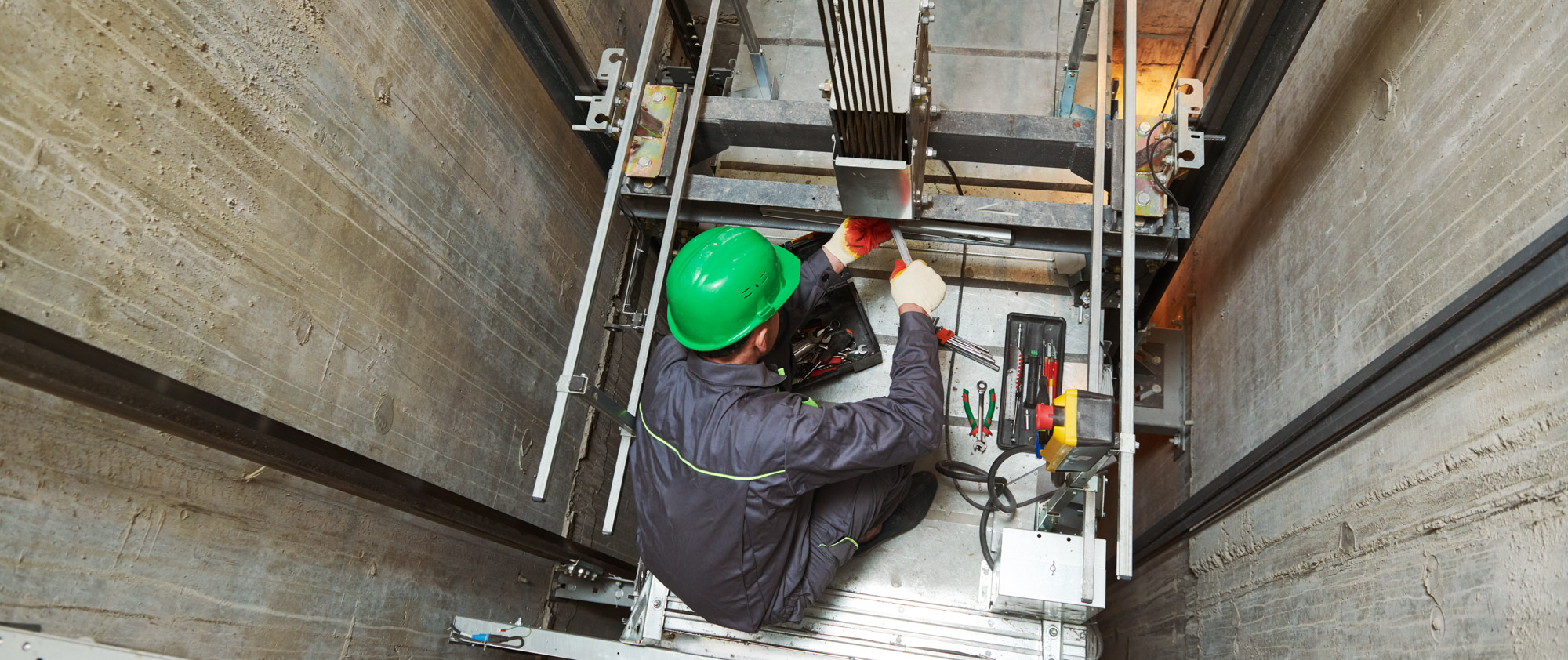
a control panel fitter, a signal fitter or a lift fitter

an avionics technician or an aircraft engine mechanic

a space technologist, an ICT service representative or a production electronics engineer

an automation mechanic or an ROV operator

See all careers

Relevant workplaces

public or private enterprisesthe process or electronics industrymechanical industry, power plants or railway operationdata, aviation or oil industry

More education

More education 1

You can take further education at a tertiary vocational college. A tertiary vocational education is a short vocational further education meant for those who have taken vocational education and training.

More education 2

You can take the master certificate examination if you have the trade or journeyman’s certificate in a trade that comes under the master craftsman’s programme, and have sufficient experience. The master course of studies qualifies you for a management or middle-management position within your trade area, and gives you the competence to start up your own company.

More education 3

You can take a Vg3 supplementary programme for general university admissions certification – after Vg2 or – after achieving vocational competence. You will then have the option to take higher education at a university college or university. Remember that some study programmes, such as for instance engineering, science and medical studies, require you to have certain science subjects.

More education 4

You can also apply for admission to higher education after a preliminary course or by the Y-path, the vocational pathway to higher education. The Y-path is intended for those with relevant vocational experience. Preliminary courses and the Y-path are most commonly used for science and engineering studies.